
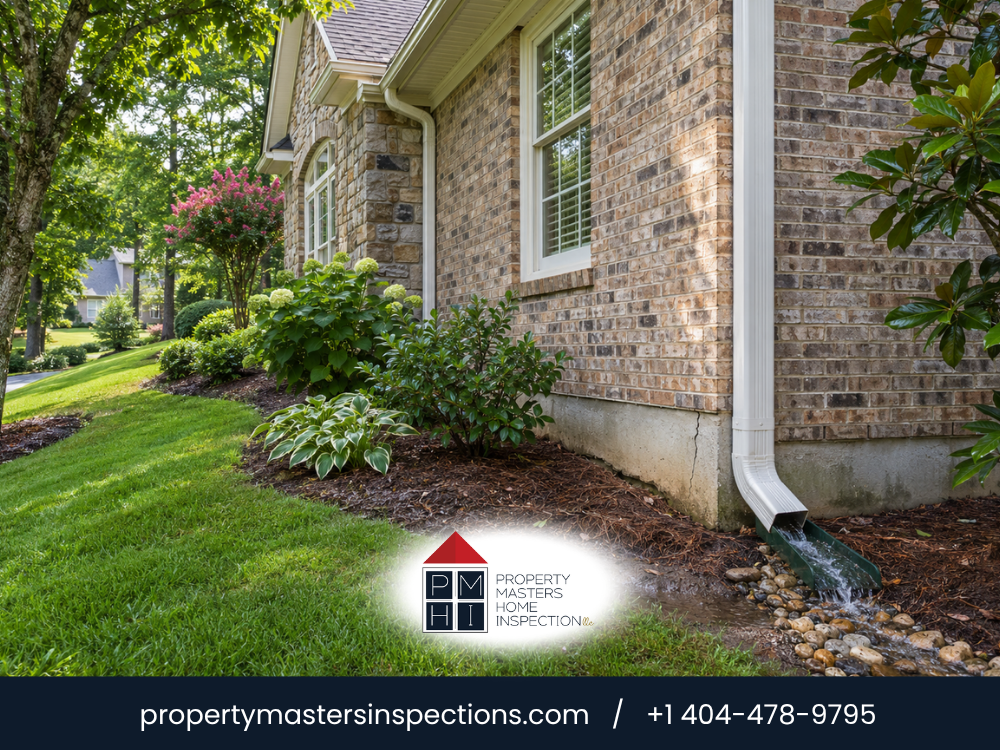
 Summer Foundation And Drainage Checks For North Atlanta Homes
Summer in North Atlanta brings a combination of high temperatures, afternoon thunderstorms, and changing soil moisture conditions. These seasonal patterns can influence how water moves around a home’s foundation and how surrounding soil responds to periods of rainfall and drying.
Homes with sloped yards, mature landscaping, crawl spaces, or expansive soil conditions may benefit from additional attention during seasonal maintenance.
A common homeowner question is: How can North Atlanta homeowners check their foundations and drainage systems during summer?
Regular visual observations can help homeowners recognize changes around the property and determine when professional evaluation may be appropriate.
1. Understand How Summer Weather Affects Soil Around Foundations
Soil conditions can change throughout the year as moisture levels increase or decrease.
During extended dry periods, certain soils may shrink as moisture decreases. Following substantial rainfall, moisture levels can rise again.
The degree of soil movement depends on soil composition, drainage, landscaping, and site conditions.
North Atlanta homeowners should observe:
- Changes in soil levels near the foundation
- Gaps between soil and foundation surfaces
- Areas where rainwater repeatedly collects
- Erosion around landscaped sections
- Changes in exterior walkways or patios
These observations do not automatically indicate structural movement. However, documenting changes over time can help homeowners understand how their property responds to seasonal weather.
2. Look For Visible Foundation Cracks And Changes
Foundation cracks can occur for several reasons, including concrete shrinkage, settlement, construction characteristics, and soil movement.
Not every crack indicates a significant structural concern.
Homeowners should observe:
- New cracks in visible foundation surfaces
- Existing cracks that appear to change in width
- Stair-step cracking in masonry
- Separation around exterior trim or joints
- Changes where concrete slabs meet adjacent surfaces
Photographing visible cracks and recording dates can help establish whether conditions are changing.
A professional home inspection may document observable foundation conditions. Structural engineers can provide specialized evaluation when movement or structural performance requires further investigation.
3. Check Gutters And Downspout Discharge
Gutters and downspouts help manage rainwater collected from the roof.
During summer thunderstorms, substantial amounts of water can move through these systems within a short period.
North Atlanta homeowners should check whether:
- Gutters are securely attached
- Downspouts remain connected
- Water discharges away from the foundation
- Splash blocks or extensions are positioned appropriately
- Water collects near exterior walls after rainfall
Drainage components should be maintained according to the home’s design and site conditions.
Managing roof runoff helps limit unnecessary moisture accumulation near the foundation.
 4. Observe Grading And Surface Drainage
Grading refers to the slope and shape of the ground around a property.
Properly designed surface drainage directs rainwater away from the home and toward suitable drainage areas.
During summer, homeowners can walk around the exterior and observe:
- Soil sloping toward foundation walls
- Depressions where water collects
- Mulch or landscaping blocking drainage paths
- Erosion along walkways
- Standing water following rainfall
Properties with sloped lots may have additional drainage features, such as swales or retaining walls.
These components should be evaluated according to their intended function.
A professional home inspection can identify visible drainage conditions and recommend specialized evaluation where appropriate.
5. Inspect Accessible Crawl Space Conditions
Some homes throughout North Atlanta have crawl space foundations.
Crawl spaces can be influenced by ground moisture, exterior drainage, plumbing conditions, and ventilation or encapsulation systems.
Homeowners should watch for accessible, visible indicators such as:
- Moisture staining on foundation walls
- Standing water
- Damp or displaced ground vapor barriers
- Condensation on accessible surfaces
- Changes in exposed wood materials
Crawl spaces may contain electrical, structural, biological, or other hazards. Homeowners should not enter spaces that appear unsafe.
During a home inspection, inspectors may evaluate accessible crawl space conditions within the scope of the inspection.
6. Review Landscaping Near The Foundation
Landscaping contributes to a property’s appearance and can influence how water moves around the home.
Mature trees, shrubs, irrigation systems, and planting beds may affect nearby soil conditions.
North Atlanta homeowners can review:
- Irrigation spray patterns near foundation walls
- Soil and mulch levels against exterior siding
- Vegetation obstructing drainage pathways
- Tree roots affecting visible walkways
- Landscape areas where water consistently collects
Maintaining appropriate clearance around exterior materials and directing irrigation away from the building can support effective property maintenance.
7. When Should Homeowners Consider A Professional Foundation Evaluation?
Homeowners may benefit from a professional inspection when they observe changes that are difficult to explain or appear to be progressing.
Examples include:
- Foundation cracks that appear to widen
- Doors or windows that have become difficult to operate
- Changes in floor levelness
- Repeated standing water near the foundation
- Visible separation between structural components
- Crawl space moisture conditions
A general home inspection provides a visual evaluation of accessible components and is not a structural engineering assessment.
When structural movement is suspected, a qualified structural engineer may be needed to determine its cause and significance.
8. Why Summer Home Inspections Matter In North Atlanta
Summer provides an opportunity to observe how residential properties respond to changing outdoor conditions.
A professional home inspection may include evaluation of accessible:
- Foundation surfaces
- Exterior grading
- Drainage systems
- Crawl spaces
- Structural components
- Exterior walls and related materials
Summer weather can influence soil moisture, drainage patterns, and visible conditions around residential foundations.
By observing foundation surfaces, maintaining gutters, reviewing grading, and monitoring accessible crawl spaces, North Atlanta homeowners can better understand their property’s seasonal maintenance needs.
A professional home inspection provides additional information about accessible structural and exterior components.
Schedule your home inspection with Property Masters Home Inspections, LLC to learn more about your home’s condition.
Call 404-478-9795 or visit https://propertymastersinspections.com/ to book online today!