
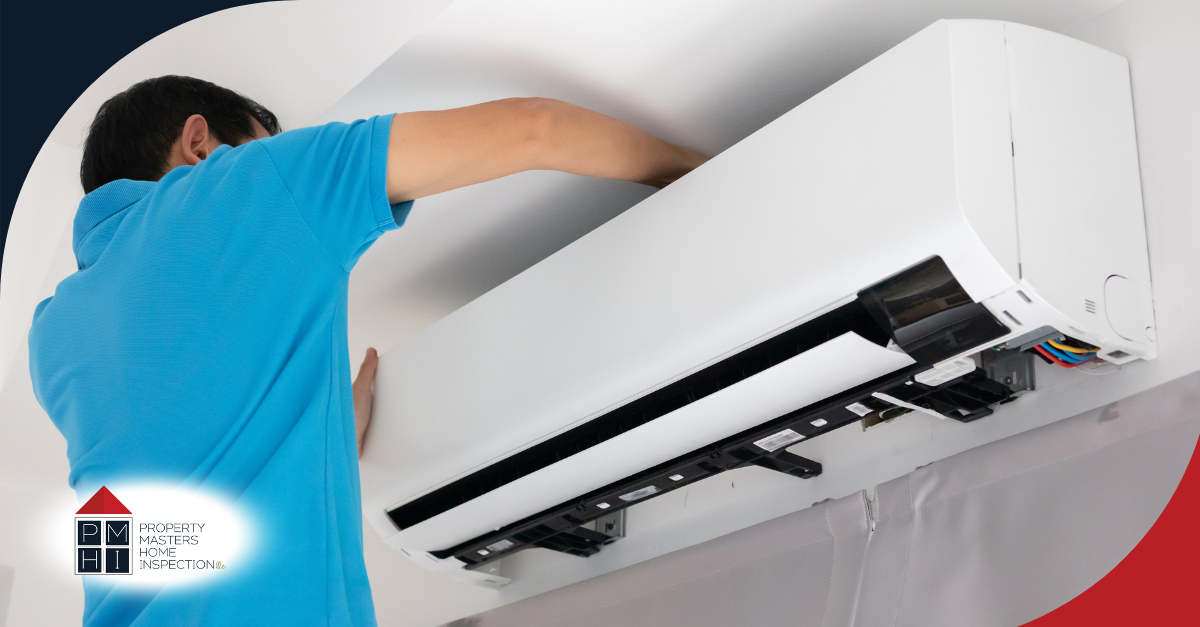
Why HVAC Systems In Johns Creek Struggle During Extreme Summer Heat
Summers in Johns Creek bring long stretches of high temperatures and heavy humidity. When outdoor heat intensifies, many homeowners notice their HVAC systems running longer and working harder just to maintain comfortable indoor conditions.
So why do HVAC systems in Johns Creek struggle during extreme summer heat, and how can an inspection detect early issues? Understanding the causes can help you stay ahead of common cooling concerns before they become larger problems.
Heavy Cooling Demand During Georgia Summers
When temperatures stay high for extended periods, cooling systems may run for much of the day. Under constant demand, even small inefficiencies can affect performance.
Homeowners may notice:
- Longer cooling cycles
- Uneven temperatures between rooms
- Higher indoor humidity
- Systems that rarely seem to shut off
During a home inspection, we often observe signs of strain that develop over time. Systems that have not received regular maintenance may show reduced efficiency when extreme heat arrives.
Airflow Restrictions And Dirty Components
Proper airflow is essential for effective cooling. When air cannot move freely through the system, heat removal becomes less efficient.
Common issues inspectors look for include:
- Clogged or dirty air filters
- Dust buildup around vents
- Dirty evaporator or condenser coils
- Obstructed return air pathways
Restricted airflow forces the HVAC system to work harder. During extreme heat, this added strain becomes more noticeable and can shorten component lifespan.
Duct Leaks And Insulation Gaps
Many Johns Creek homes have ductwork routed through attics or crawl spaces. These areas can become extremely hot during summer months.
During a home inspection, we frequently check for:
- Leaky or poorly sealed duct joints
- Crushed or disconnected duct sections
- Inadequate attic insulation
- Gaps around attic access panels
If cooled air escapes into hot attic spaces, the system must run longer to compensate. Insulation gaps can also allow excess heat into the living area, increasing cooling demand.
 Humidity And Moisture-Related Stress
Extreme heat in Johns Creek is often paired with high humidity. Air conditioning systems remove moisture as they cool, but deferred maintenance can reduce this ability.
Inspectors commonly observe:
- Clogged condensate drain lines
- Rusted drain pans
- Signs of past water overflow
- Condensation around ductwork
When moisture cannot drain properly, the system’s efficiency declines. Addressing these concerns early helps support better humidity control.
How A Home Inspection Detects Early HVAC Issues
A professional home inspection does not replace HVAC servicing, but it provides valuable insight into how the system is functioning within the home.
Inspectors evaluate:
- Visible HVAC components
- Airflow distribution patterns
- Insulation and ventilation conditions
- Signs of moisture or wear
- Evidence of deferred maintenance
For homeowners in Johns Creek, this broader evaluation helps identify early warning signs before peak summer heat places additional strain on the system.
Small concerns, such as airflow restrictions or insulation gaps, may not seem urgent during mild weather. However, extreme heat often reveals underlying efficiency issues that were previously unnoticed.
Protecting Comfort During Extreme Heat
Extreme summer heat can test even well-maintained systems. Proactive maintenance and periodic home inspections help ensure your HVAC system and home structure work together effectively.
By understanding what inspectors look for and addressing minor concerns early, homeowners can reduce strain on their cooling systems and maintain more consistent indoor comfort.
If you live in Johns Creek, schedule your home inspection with Property Masters Home Inspections, LLC today.