
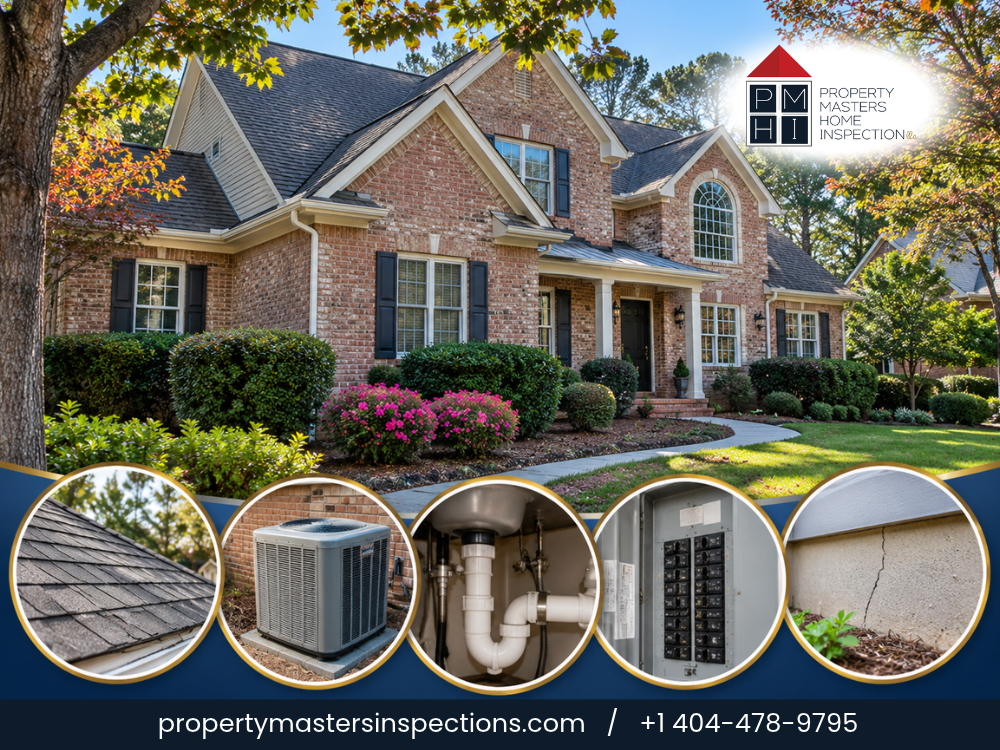
 Buying An Older Home In Johns Creek, Ga? What A Home Inspection Should Cover
Johns Creek, Georgia, is home to established residential neighborhoods, mature landscaping, and properties built across several decades. Many homes constructed during the 1980s, 1990s, and early 2000s offer spacious floor plans, distinctive architectural features, and desirable locations throughout North Fulton County.
However, purchasing an older home involves understanding more than its appearance, renovations, or current finishes.
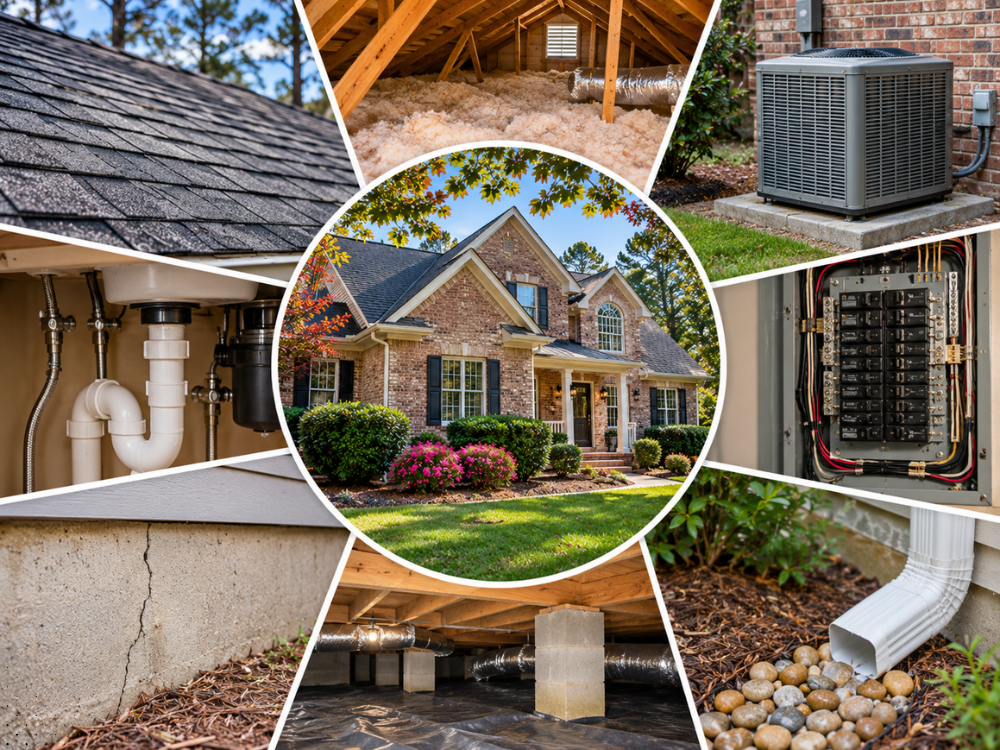
Roofing materials, HVAC equipment, plumbing systems, electrical components, foundations, and exterior drainage may have experienced years of normal use and seasonal weather exposure.
For buyers considering an established property in Johns Creek, a professional home inspection provides useful information about the home’s visible and accessible condition before closing.
A common buyer question is: What should a home inspector check when buying an older home in Johns Creek, GA?
1. Evaluate The Age And Condition Of Roofing Materials
Roofing is an important consideration when purchasing an established home.
Many Johns Creek properties have asphalt shingle roofing systems, although materials and designs vary by property.
Over time, roofing materials experience exposure to sunlight, rainfall, temperature changes, and seasonal storms.
During a home inspection, accessible roof components may be evaluated for:
- Missing, lifted, or deteriorated shingles
- Visible flashing conditions
- Roof penetrations and vent boots
- Gutters and downspouts
- Roof drainage patterns
- Visible signs of previous repairs
Buyers should also ask about the roof’s installation date and any available maintenance documentation.
A home inspection can describe visible conditions but cannot establish the exact remaining service life of a roofing system.
2. Review Older Hvac Systems
Heating and cooling systems are essential for indoor comfort throughout Georgia’s changing seasons.
In established Johns Creek homes, HVAC equipment may have been replaced, upgraded, or modified over the years.
During an inspection, accessible HVAC components are generally evaluated using normal operating controls when conditions permit.
Inspectors may review:
- Heating and cooling operation
- Thermostat controls
- Visible ductwork
- Air filters and accessible registers
- Condensate drainage
- Equipment installation conditions
Some larger homes have multiple HVAC systems serving different floors or living areas.
Buyers should review available maintenance records and consider specialized HVAC servicing or evaluation when equipment condition warrants additional attention.
3. Examine Electrical Panels And Wiring
Electrical systems in older properties may have undergone changes as homeowners added appliances, lighting, or renovated living spaces.
A professional home inspection may include evaluating:
- Accessible electrical panels
- Circuit breakers
- Visible wiring
- Receptacles and switches
- Ground-fault circuit interrupter protection
- Visible electrical connections
Inspectors document observable conditions and may recommend evaluation by a licensed electrician when specialized testing or corrective work is appropriate.
Buyers should also ask sellers about permitted electrical upgrades and available service records.
4. Inspect Plumbing Fixtures And Accessible Piping
Plumbing materials and components can vary depending on when a home was built and whether renovations have occurred.
During an older home inspection in Johns Creek, accessible plumbing components may include:
- Water supply piping
- Drainage piping
- Water heaters
- Faucets and fixtures
- Toilets, tubs, and showers
- Visible connections beneath sinks
Inspectors may observe leaks, staining, corrosion, and functional drainage at accessible fixtures.
For buyers seeking information about underground sewer piping, a separate sewer scope inspection may be appropriate.
A standard visual home inspection does not include an internal camera examination of concealed sewer lines.
 5. Evaluate Foundation And Structural Components
Foundation and structural conditions deserve attention when purchasing an established property.
Over time, changes in soil moisture, drainage, and building materials can influence visible conditions around the home.
During an inspection, accessible structural areas may include:
- Foundation walls and slabs
- Crawl space framing
- Support beams and columns
- Floor framing
- Attic framing
- Visible structural connections
Inspectors may document cracking, displacement, staining, or other observable changes.
Not all foundation cracks indicate structural movement. When findings require specialized analysis, a qualified structural engineer may be recommended.
6. Review Attic Insulation And Ventilation
Attic conditions can provide useful information about an older home’s insulation, ventilation, and roofing.
During an inspection, accessible attic areas may be evaluated for:
- Insulation coverage and condition
- Ventilation openings
- Visible roof framing
- Moisture staining
- Accessible ductwork
- Exhaust fan terminations
Older homes may have insulation systems that differ from current construction practices.
An inspector can document observable conditions and identify areas where additional evaluation may be helpful.
7. Check Exterior Drainage And Landscaping
Established neighborhoods in Johns Creek often feature mature trees, landscaped yards, and sloped residential lots.
These features can influence how rainwater moves around the property.
During a home inspection, visible exterior conditions may include:
- Ground grading near foundation walls
- Downspout discharge locations
- Surface drainage patterns
- Walkways and patios
- Retaining walls
- Vegetation near exterior materials
Buyers should pay attention to areas where water collects after rainfall and review available information about past drainage improvements.
8. Understand Previous Renovations And Home Improvements
An older home may contain a combination of original components and newer upgrades.
For example, a property may have updated kitchen finishes while retaining older plumbing or electrical components.
A home inspection evaluates accessible conditions as they exist at the time of the appointment.
Buyers should ask about:
- Roof replacements
- HVAC installations
- Plumbing upgrades
- Electrical renovations
- Foundation repairs
- Previous additions or remodeling
Available permits, warranties, and contractor documentation may provide additional context.
9. Why A Home Inspection Matters Before Closing
A professional home inspection provides an independent evaluation of accessible property components.
For buyers considering older homes in Johns Creek, the inspection report can help them:
- Understand the home’s present condition
- Identify maintenance considerations
- Review aging equipment and materials
- Determine whether specialized evaluations are needed
- Ask informed questions before closing
A home inspection does not determine whether a property should be purchased. It provides information to support the buyer’s decisions.
Older homes in Johns Creek can offer established neighborhoods, distinctive architectural details, and mature landscaping.
Understanding the condition of roofing, HVAC equipment, electrical systems, plumbing, foundations, and drainage is an important part of purchasing these properties.
A professional home inspection provides useful information about accessible components and helps buyers prepare for ownership.
Property Masters Home Inspections, LLC provides residential home inspection services in Johns Creek, GA, and surrounding North Atlanta communities.
Schedule your home inspection to learn more about the condition of your prospective home.